+ + + NEWSX + + + (https://newsx.media)
For newsdesk queries : Call or WhatsApp on +44 751 927 1676 or mail on queries@newsx.media.
(starts)
A High Court battle over a cat accused of vandalising a neighbour’s wooden facade could end up deciding how much freedom pet cats are allowed in future.
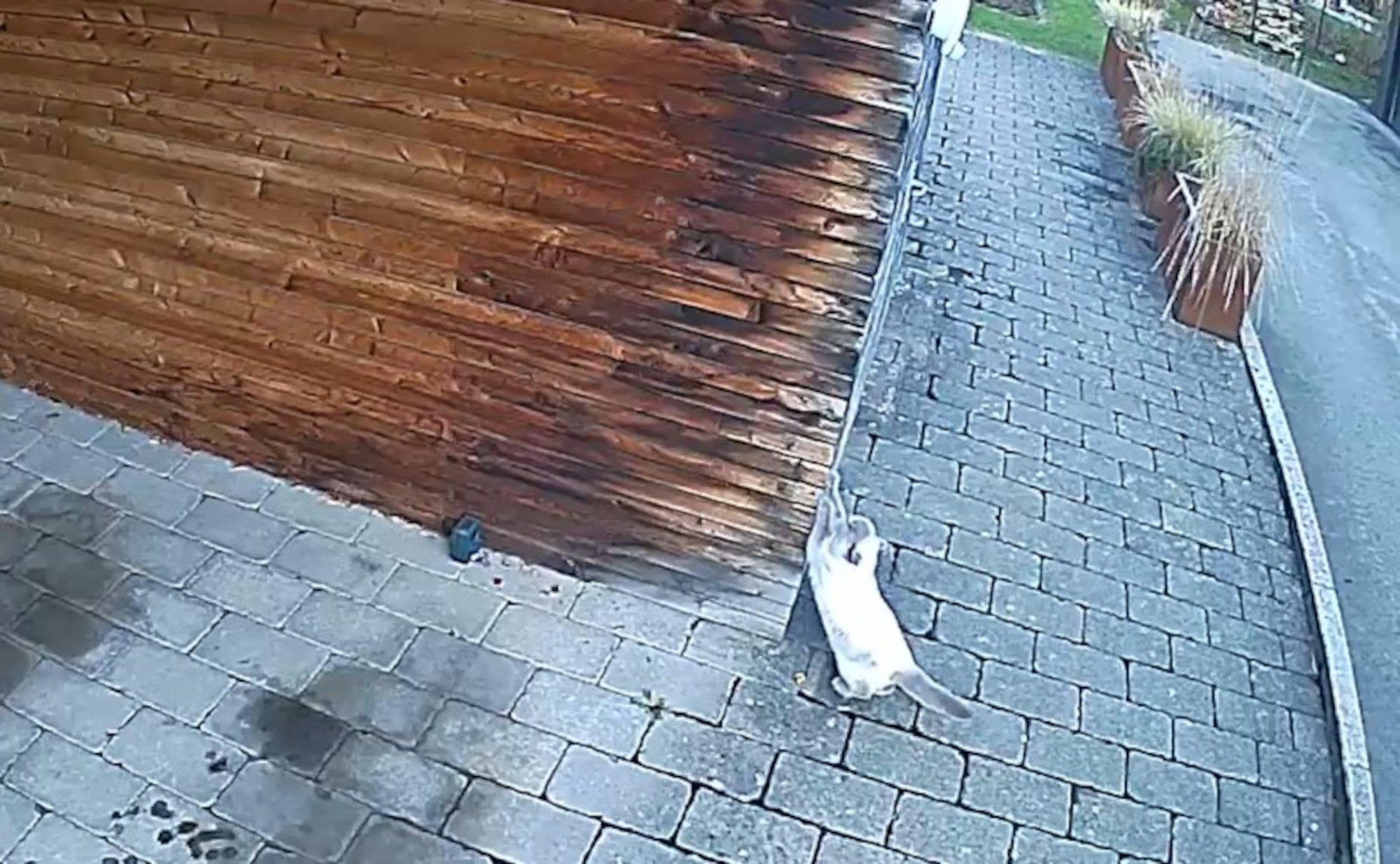
The bizarre legal row began in Feldkirch, a town in Austria’s western Vorarlberg state near the Swiss and Liechtenstein borders, after a family complained that a neighbour’s cat called Leo kept scratching the outside of their home.
The case may be about a cat allegedly vandalising a wooden facade, but a final ruling against Leo could become a major victory for campaigners trying to stop domestic cats being released into the wild to prey on other animals, especially birds.
The homeowners took the case to the district court after claiming the cat repeatedly damaged the wooden facade.
Judges found in their favour and ordered Leo’s owner to make sure the cat no longer leaves his claw marks on the neighbours’ property.
But the ruling would severely restrict Leo’s life as a free-roaming pet, which his owner has said she is not prepared to accept.
She has already announced plans to appeal, and Austrian media said the case could even go all the way to the country’s Supreme Court.
The row has triggered a fierce debate on social media, with some people backing Leo and his owner and others siding with the homeowners.
Animal care manager Marco Miholnic, from the Vorarlberg animal shelter in Dornbirn, said the argument needed to be calmed down and treated more practically.
He told local media that Leo was not committing deliberate acts of vandalism but simply following his instincts.
Marco said: “There is still a lot of wild animal in a cat.”
He said scratching claws and marking territory were part of a cat’s natural behaviour.
Marco suggested one compromise would be to give Leo an alternative scratching place made from the same material, possibly in his owner’s own garden.
Another option, he said, could be a special cat fence that would limit how far Leo could roam without taking away all his freedom.
But he warned that if the case reaches the Supreme Court and the homeowners win, it could create a precedent affecting cat owners across Austria.
Marco said: “That would then be a precedent and would mean that all cat owners in future would have to keep their animal exactly under control, so that it does not, for example, do its business in someone else’s raised bed or scratch something.”
The case comes amid a wider European debate over free-roaming cats, not only because of damage to property but also because of their impact on wildlife.
BirdLife Austria says domestic cats kill millions of birds every year in Austria, while German conservation group NABU has estimated that cats kill between 100 million and 200 million birds annually in Germany alone.
Conservationists say the problem is at its worst during the spring and early summer breeding season, when young birds leave the nest before they can properly fly and become easy prey in gardens, bushes and lawns.
Bird experts say cats are not usually the sole reason for declines in healthy bird species, but they add pressure on populations already hit by habitat loss, insect decline, climate change and pesticides.
Austria already requires outdoor cats to be castrated, unless they are registered breeding animals, in an effort to stop stray and feral colonies growing.
Animal welfare and conservation groups have also suggested less drastic measures, including keeping cats indoors during the most vulnerable breeding periods, using highly visible collars, and giving cats more play and meat-rich food to reduce hunting.
Marco urged everyone involved in Leo’s case to think about where the row could lead.
He said: “Perhaps all those involved should think again about the possible consequences. If every free-roaming cat had to be locked up, where would that lead?”
Experts say that if Austria’s highest court rules that a pet owner is legally liable for failing to prevent a cat from trespassing or altering its environment, it will not automatically be valid across the EU but lawyers in other countries like Germany, Switzerland, or the Netherlands will immediately cite that Austrian ruling as persuasive evidence in their own local courts.
(Mike Leidig/Newsflash)



Byline Journalist: Mike Leidig
Byline Sub editor: Marija Stojkoska
Byline Spotter: Mike Leidig
Byline Commisioning Editor: Mike Leidig
Byline Senior Writer: Mike Leidig
Byline Picture Editor: Nina Trajkov
Byline Copychecker: Joana Mihajlovska
Byline Illustrator: Joana Mihajlovska
Byline News Editor: Mike Leidig
Geography: Vorarlberg
Subject: Animals, Pets, Cats, Environment
T4 Editor Story Rating: 7
T4 Editor Pic/Vid rating: 7
T4 Total rating: 7