+ + + NEWSX + + + (https://newsx.media)
For newsdesk queries : Call or WhatsApp on +44 751 927 1676 or mail on queries@newsx.media.
(starts)
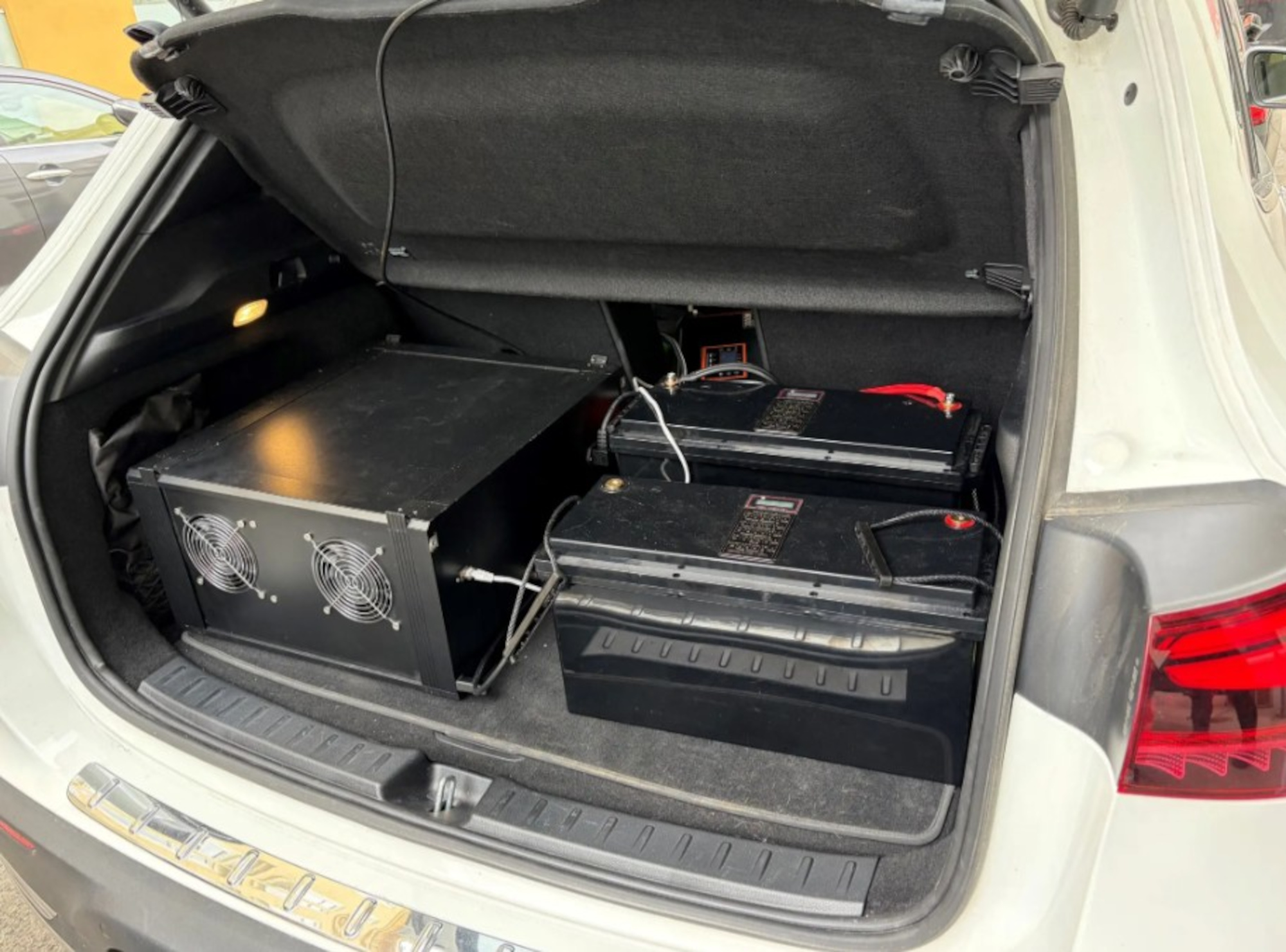
A Chinese national has been arrested in Vienna after police said he used an SMS blaster in his car capable of attacking up to 100,000 phones an hour during the Eurovision Song Contest, and also irradiated his son.
The 32-year-old suspect was tracked down in the Austrian capital on 14th May after cybercrime investigators said they discovered mass phishing texts being sent across the Greater Vienna area since at least 6th April.
Police said the messages were sent in the names of well-known parcel delivery firms and mobile phone providers and were aimed at people gathered in busy locations, including major events.
Investigators said the suspect had allegedly been driving around Vienna for hours at a time, sometimes several times a day, while the device sent out huge numbers of fraudulent messages.
Several million scam texts are believed to have been sent before police managed to locate the suspect’s vehicle at around 3.47pm.
Officers from Austria’s elite Cobra tactical unit then stopped the car and arrested the driver.
Police said the suspect’s six-month-old son was also inside the vehicle at the time.
Investigators are investigating what ill effects the child suffered as they would have been exposed to a significant level of radiation from the equipment, and the suspect is now also accused of endangering his son’s physical safety.
The device found in the car was an SMS blaster, a device that can force nearby mobile phones to connect to it.
Once connected, victims can be prevented from making calls, sending texts or using mobile internet.
Police warned that this can also interfere with emergency calls, meaning people nearby may not have been able to reach the emergency services while the device was operating.
The blaster can send up to 100,000 messages per hour, according to police.
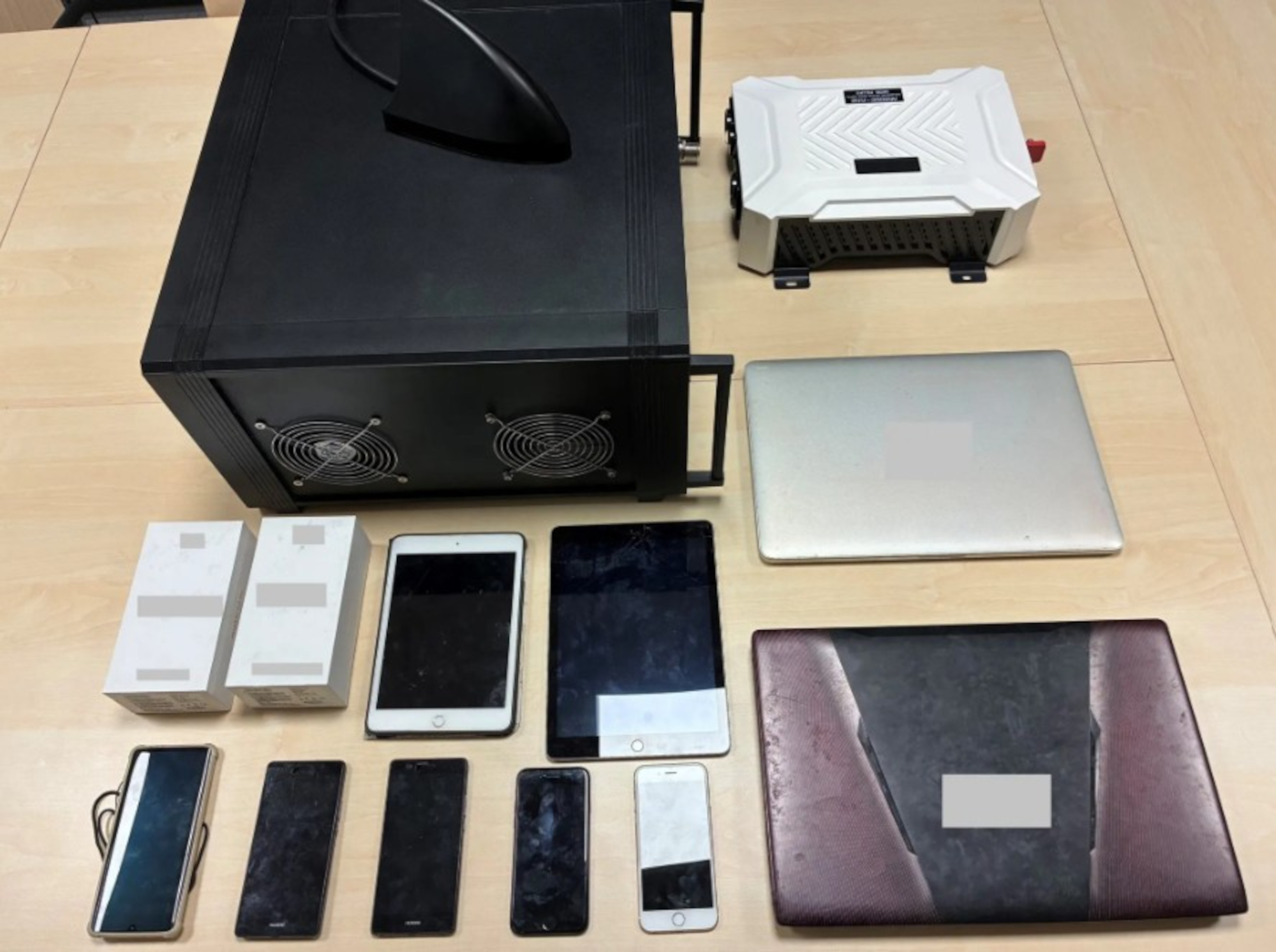
A search of the suspect’s home later uncovered a second SMS blaster, two notebooks, 10 mobile phones, two tablets, batteries, voltage converters and other technical equipment believed to have been used to operate the system.
The seized devices are now being examined by IT forensic experts.
Police said the suspect confessed during questioning and was taken to prison on the orders of the Vienna Public Prosecutor’s Office.
The case is being handled by the cybercrime unit of the Vienna State Criminal Police Office.
Police said the breakthrough followed close cooperation between IT investigators, forensic experts, local criminal police officers, specialists from the Federal Criminal Police Office’s C4 cybercrime unit, the Directorate for State Security and Intelligence, and the cybercrime competence centre at the Vienna Public Prosecutor’s Office.
Investigators are continuing to examine whether other people were behind the operation.
(Mike Leidig/Newsflash)
Byline Journalist: Mike Leidig
Byline Sub editor: Marija Stojkoska
Byline Spotter: Mike Leidig
Byline Commisioning Editor: Mike Leidig
Byline Senior Writer: Mike Leidig
Byline Picture Editor: Nina Trajkov
Byline Copychecker: Joana Mihajlovska
Byline Illustrator: Joana Mihajlovska
Byline News Editor: Mike Leidig
Geography: Vienna
Subject: Legal, Crime
T4 Editor Story Rating: 7
T4 Editor Pic/Vid rating: 7
T4 Total rating: 7