Austria has vowed to crack down on Russian spying after forcing Moscow to remove satellite antennas from its diplomatic buildings in Vienna.
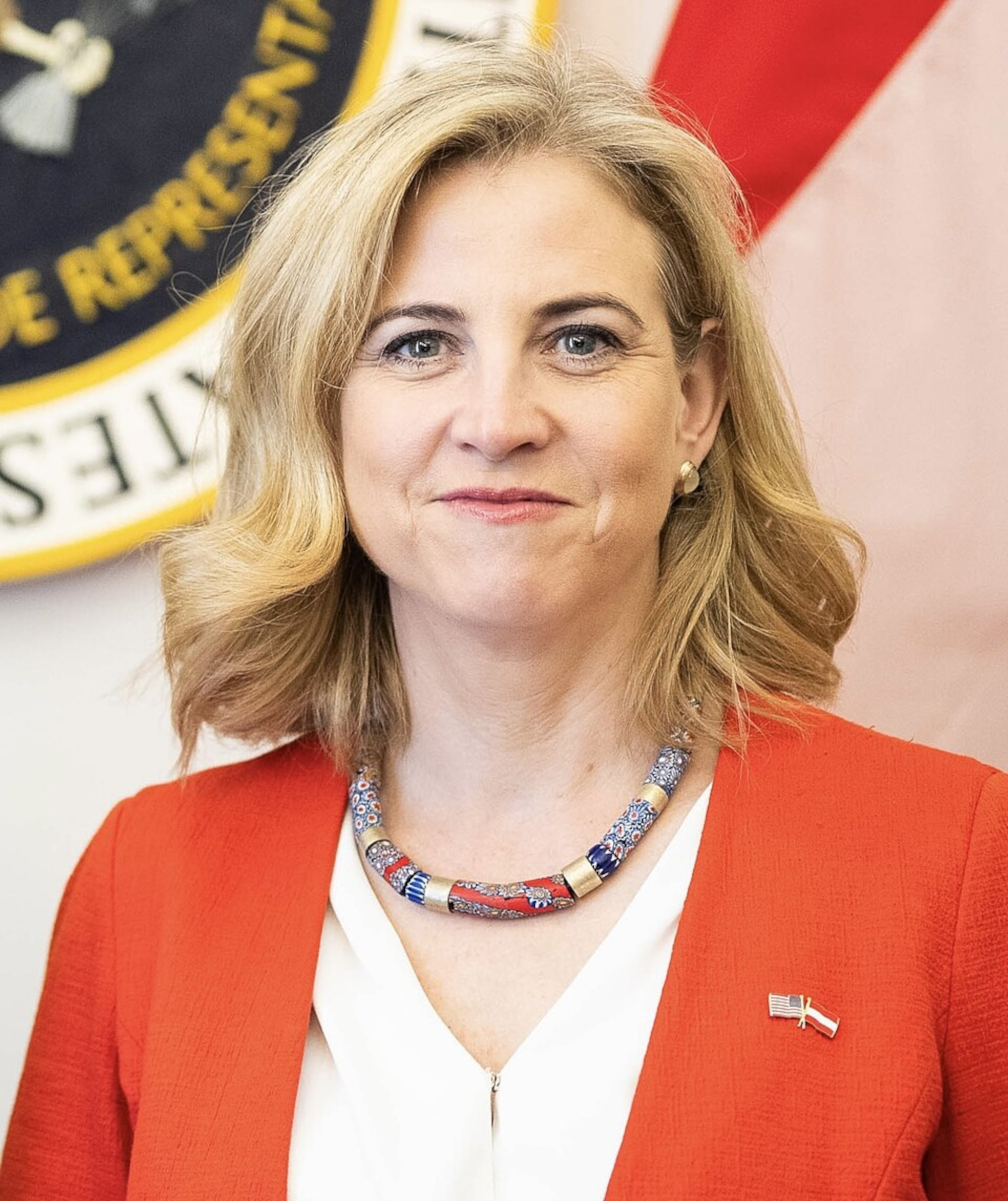
Foreign Minister Beate Meinl-Reisinger made the pledge in Brussels, Belgium, on 11 May, while speaking on the sidelines of a meeting with her EU counterparts.
Vienna, Austria’s capital, has carried a reputation as one of the world’s great spy cities ever since the Cold War and the era immortalised in The Third Man.
Its position at the heart of Europe, its neutrality, and its concentration of embassies, ministries, international organisations and UN offices have long made it a natural hunting ground for intelligence services.
But Austria has now said that reputation can no longer mean tolerating foreign powers using the city as a base for espionage.
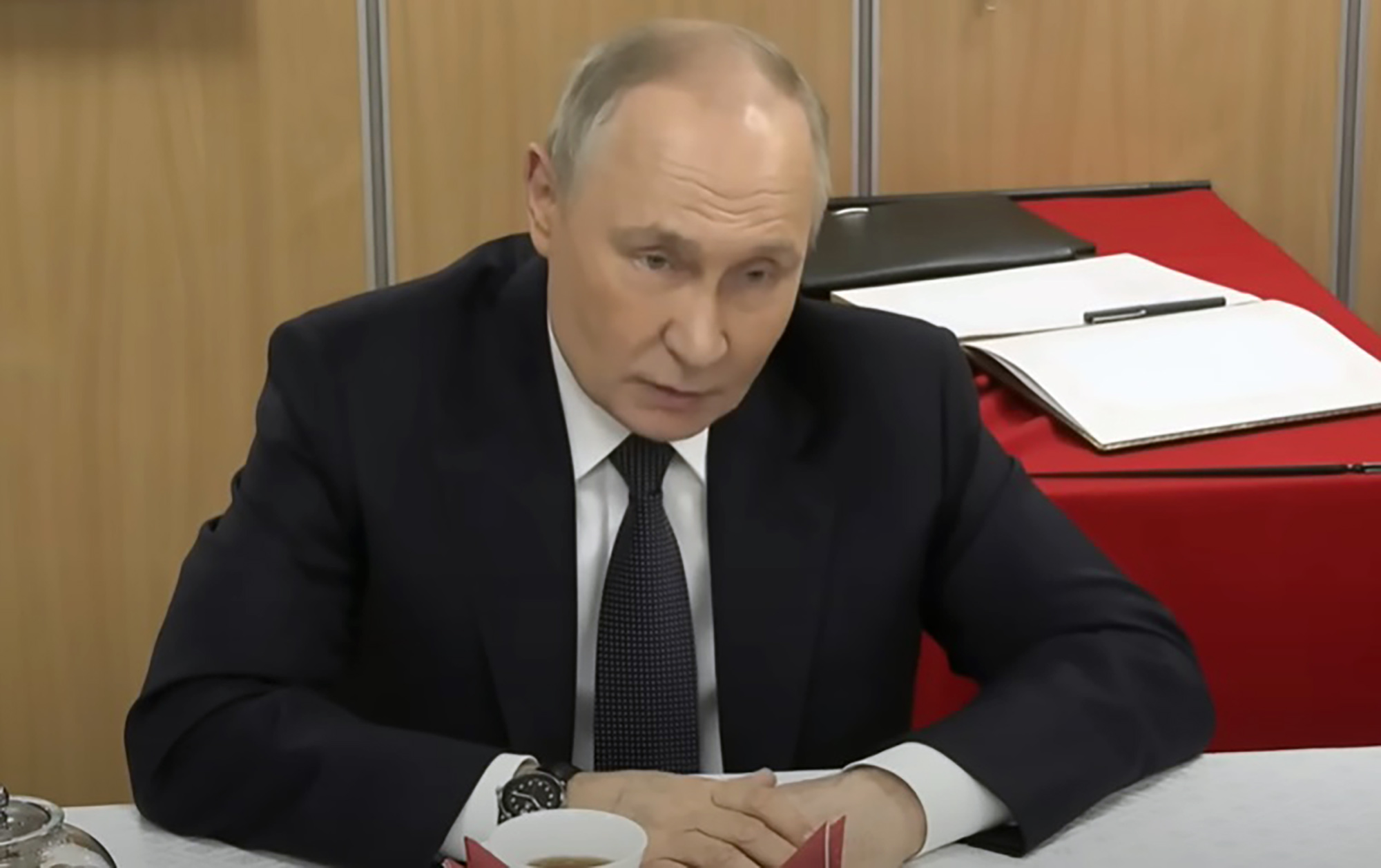
Meinl-Reisinger said the Austrian Government would no longer accept spying on Austrian soil after a row over what local media described as a Russian “forest of antennas” in the capital.
The antennas were reportedly mounted on buildings linked to Russia’s diplomatic presence in Vienna, including the Russian Embassy compound in the city’s Landstrasse district and a diplomatic site in Donaustadt.
Austrian media reported that the equipment was allegedly used to intercept data from international organisations based in Vienna.
Meinl-Reisinger said: “We are no longer looking away when it comes to espionage on Austrian soil.
“We made that clear, we agreed it in the government programme, and we also made it unmistakably clear to the Russians.”
She said Austria had demanded “full clarification” from Russia over the antenna network.
The minister added that the “forest” had now been “thinned out”, meaning antennas had been dismantled by the Russian side.
She said: “That is an important step.”
Austria also expelled three Russian diplomats at the beginning of May over claims they were directly involved in satellite espionage in Vienna.
Meinl-Reisinger said the expulsions showed Austria would not tolerate such activity.
The Austrian Justice Ministry has prepared draft legislation that would make espionage against international organisations a criminal offence.
Meinl-Reisinger said Austria also needed to tighten its espionage laws so the authorities could act more effectively.
She said: “We need the tightening of the espionage offence.
“It is almost finished and is in political coordination.”
The minister urged Austria’s coalition partners to send the planned law for review soon and then approve it.
She said: “We need it for our daily work, and also as an unmistakable sign to Russia, but also to other actors: We will no longer put up with this.
“Any espionage on our soil affects our own interests, our own security, and therefore it ends now.”
Byline Journalist: Mike Leidig
Byline Sub editor: Mike Leidig
Byline Spotter: Mike Leidig
Byline Commisioning Editor: Mike Leidig
Byline Senior Writer: Mike Leidig
Byline Picture Editor: Nina Trajkov
Byline Copychecker: Angela Trajkovska
Byline Illustrator: Angela Trajkovska
Byline News Editor: Mike Leidig
Geography: Vienna
Subject: Humans, Politics, International relations
T4 Editor Story Rating: 6
T4 Editor Pic/Vid rating: 6
T4 Total rating: 6